
Advisory services for healthcare strategies that need to hold up in the real world.
I work with healthcare leaders when the problem is too important, too complex, or too cross-functional for a conventional consulting approach.
My work helps organizations clarify what they are actually solving for, surface the tradeoffs that matter, and design plans that can survive operational, workforce, capital, and market reality.
How This Work Is Different.
Strategic Planning
Access + Experience Design
Campus + Enterprise Master Planning
Big Hairy Challenges
I am not a traditional management consultant.
And I am not a traditional design consultant.
Management consulting often moves from analysis to recommendations. Design thinking often moves from empathy to ideation. Both can be useful. Neither is enough when the real issue is buried in the system itself.
My work sits between and beyond both.
I use a disciplined planning process to understand how the system actually works, define the real problem, test whether leaders are truly aligned, clarify what success means, name the tradeoffs, and establish who has the authority to decide.
The process creates structure.
The axioms create the filter.
Before a recommendation moves forward, it has to hold up against the realities that usually cause healthcare strategies to break: incentives, workforce constraints, patient behavior, operational complexity, capital limits, equity, and the built environment.
The result is not a recommendation deck.
It is direction the organization can act on, grounded in context, aligned around tradeoffs, owned by decision-makers, and ready to move.
Strategic Planning
Keeping ambition from becoming a vague plan that cannot guide real decisions.
Most strategic plans do not fail because the organization lacked ideas. They fail because leaders never fully agreed on what they were solving for, what tradeoffs mattered, what success required, or what the system could realistically sustain.
I help healthcare organizations move from aspiration to direction by diagnosing how the system actually works, testing alignment before assuming it, clarifying what winning means, and translating ambition into choices leaders can own and the organization can act on.
Selected engagements where strategy had to become more than a plan — it had to become a decision framework for action.
Realigning a fragmented behavioral health system

The problem
Behavioral health was split across settings, each with different incentives and definitions of success, creating misaligned decisions, paralysis, and sustained losses.
The intervention
We reframed it as a system-level problem, aligned leadership around shared outcomes, and forced explicit tradeoffs.
The outcome
Within six months, the addiction recovery center moved from seven-figure monthly losses to break-even.
Reclaiming Market Share by Redefining Local Inpatient Care
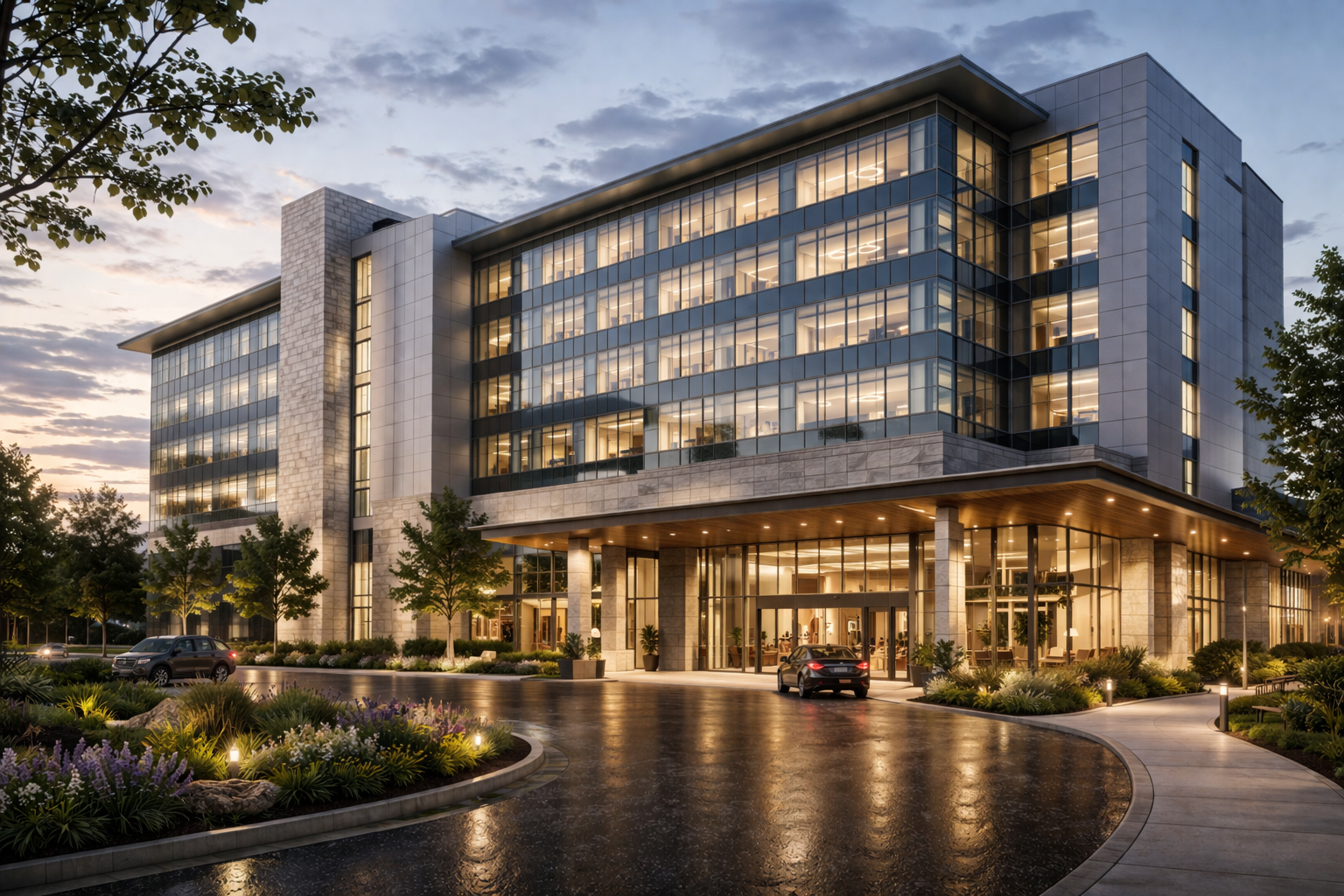
The problem
Patients were increasingly leaving the market for higher-acuity care at academic health systems an hour away. At the same time, competitor weakness created an opening for a regional health system to rethink how local inpatient services could grow, differentiate, and retain more care close to home.
The intervention
We developed a market-informed inpatient strategy that identified where local service lines could credibly grow, where outmigration could be reduced, and what capabilities would be required to compete more effectively.
The outcome
Leadership gained a clearer basis for future investment and capability-building decisions, with a strategy that repositioned local inpatient services around growth, differentiation, and reduced market leakage.
Rethinking How Care Should Be Distributed Across a Province
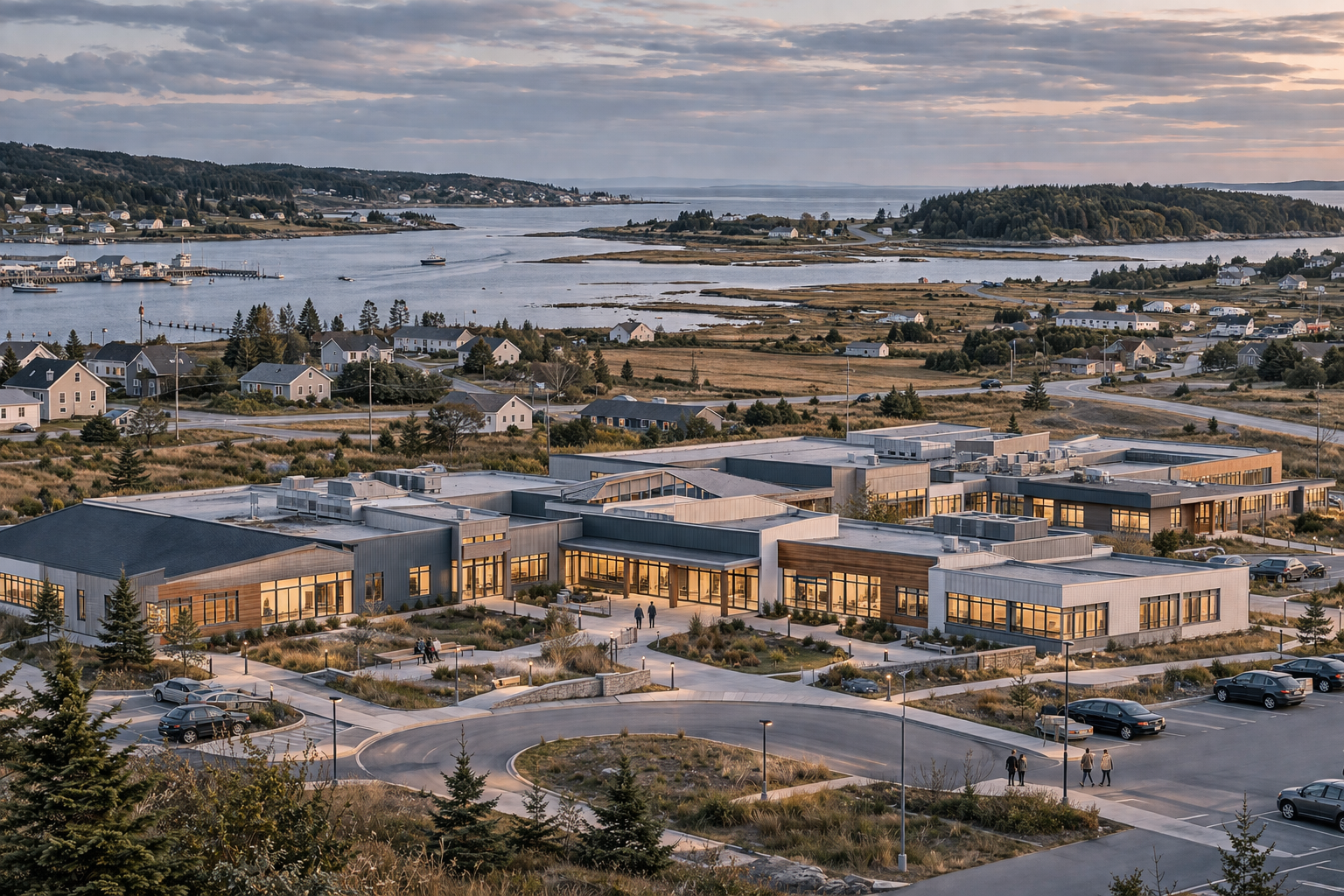
The problem
Demographic change, workforce shortages, aging facilities, and uneven access were putting pressure on a province-wide public health system to reconsider what services should be delivered where and how the overall model could remain sustainable.
The intervention
We developed a province-wide care strategy that aligned service distribution with population need, workforce realities, facility constraints, and long-term system sustainability.
The outcome
The strategy gave leaders a clearer foundation for future planning, investment, and access decisions across the province, helping shift the conversation from preserving historical service distribution to designing a more sustainable model of care.

Connecting a Scattered Pediatric Enterprise
The problem
A regional health system was already a leading pediatric provider in the market, but its pediatric services were physically fragmented across the enterprise. As competitors leaned into consolidation and centralization, the system needed to determine how a distributed pediatric platform could compete, grow, and function more coherently.
The intervention
We developed an enterprise pediatric strategy that reframed fragmentation as a distributed care model, clarified where services should live, and positioned the integrated pediatric service line as a systemwide platform rather than a collection of disconnected assets.
The outcome
The work helped leadership recognize and frame the system as the market’s highest-volume pediatric provider, operating through a matrix model that offered a credible alternative to its primary competitor’s hub-and-spoke model.
Access + Experience Design
Keeping access and experience strategies from making promises the workforce and operating model cannot sustain.
Access is not a scheduling problem. Experience is not a hospitality problem. Both are shaped by whether patients can reach, navigate, receive, and continue care without the system creating unnecessary friction.
I help healthcare organizations redesign access models, care environments, service journeys, and operational touchpoints around three realities at once: what patients need, what the workforce can sustain, and what the organization can reliably deliver.
The work is not about making care feel better at the margins. It is about designing care so it works better — for patients, families, teams, and the system responsible for serving them.
Selected engagements where access, flow, dignity, safety, and experience had to be designed around operational reality, not aspiration.
Expanding Cancer Services in a Resource-Constrained Rural System
The problem
Patients traveled up to 90 minutes for infusion care. The hospital lacked the space and capital to expand, and every option required tradeoffs.
The intervention
We re-sequenced the campus, aligning clinical, staffing, and capital decisions into a single plan.
The outcome
Access improved while generating $500K–$700K in annual labor savings.

Reducing Friction Across the Cancer Care Journey
The problem
Behind a strong reputation for compassionate cancer care, the ambulatory model was fragmented and operationally strained. Patients moved across two to five or more campus locations, appointments were frequently cancelled, and too much of the care journey was spent waiting instead of receiving care.
The intervention
We developed an enterprise ambulatory redesign and custom-built a discrete-event simulation model to test assumptions before implementation. The model allowed leadership to stress-test the system, evaluate capacity under different operating conditions, and align design decisions around patient flow, operational performance, and the real demands of cancer care delivery.
The outcome
Overall length of stay decreased from 161 to 126 minutes, daily throughput increased from 654 to 839 visits, and on-time starts improved from 44% to 85%.

Untangling Flow in a New ED and Level I Trauma Center
The problem
Emergency care at a Level I trauma center was increasingly constrained by crowding, inefficient patient movement, and prolonged behavioral health stays. Arrival sequences, behavioral health flow, trauma adjacency, interdepartmental movement, and overall ED design could no longer be treated as separate problems.
The intervention
We developed a future-state emergency care strategy that integrated Level I trauma requirements, high-volume safety-net ED operations, behavioral health flow, and interdepartmental movement. The work optimized travel distances and turns between the ED and critical hospital departments, while testing which design moves were most likely to improve performance.
The outcome
The strategy created a more integrated model for high-acuity care, behavioral health flow, and overall department performance, while avoiding several million dollars in design decisions that were unlikely to deliver the desired return.
Redesigning Emergency Care Where Behavioral Health Exposed Everything That Was Broken
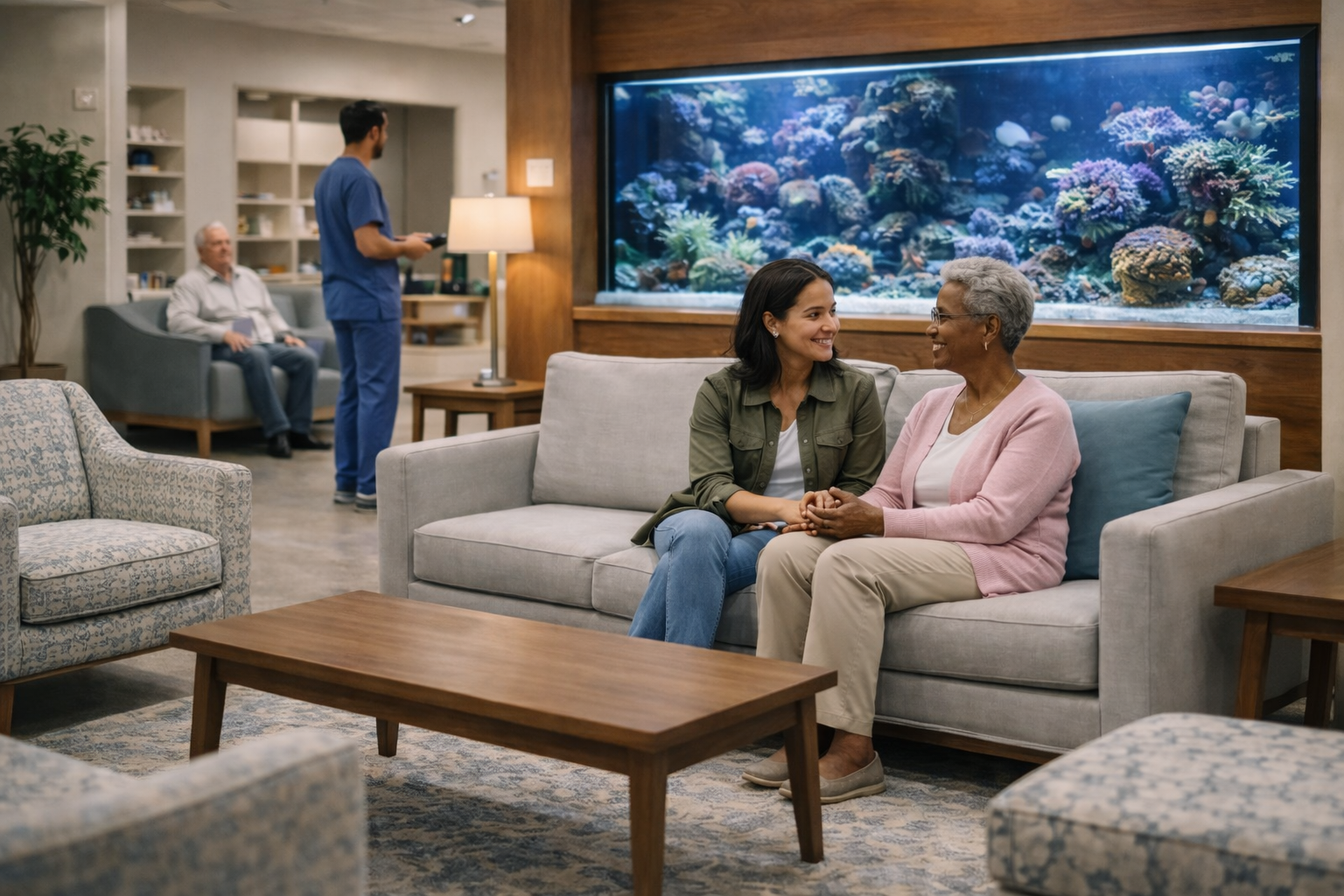
The problem
What began as a building project became a larger emergency care challenge. The existing ED was obsolete: crowded, noisy, difficult to secure, and poorly suited to behavioral health patients. It could no longer support the experience, safety, flow, or dignity the organization needed and the community deserved.
The intervention
We developed a reimagined emergency care strategy that used behavioral health as the clearest test of whether the ED could actually perform. By combining the ED and heart and vascular center into a single building strategy, the work aligned clinical operations, patient and staff safety, behavioral health needs, and capital efficiency.
The outcome
The combined building approach reduced non-revenue-generating clinical space by 25% compared with designing and constructing two separate buildings. In the ED, the resulting design supported zero use of physical restraints and zero violence-attributable staff injuries from behavioral health patients.
Campus + Enterprise Master Planning
Keeping buildings and capital plans from locking in outdated assumptions about how care should work.
A building is never just a building. It is a bet on how care will be delivered, where patients will go, how teams will work, and what the organization believes the future will require.
I help healthcare organizations make campus, facility, and enterprise asset decisions only after the harder questions are clear: what services should grow, what should move, what should stop, what must remain local, what the workforce can sustain, and where capital can create the greatest long-term value.
The goal is not a beautiful plan on paper. It is a physical platform that supports strategy, operations, access, workforce sustainability, and enterprise performance over time.
Selected engagements where capital, care models, market reality, and operational performance had to be solved together, before buildings made the answers permanent.
Regionalizing Care to Relieve Pressure on a Legacy Regional Teaching Hospital
The problem
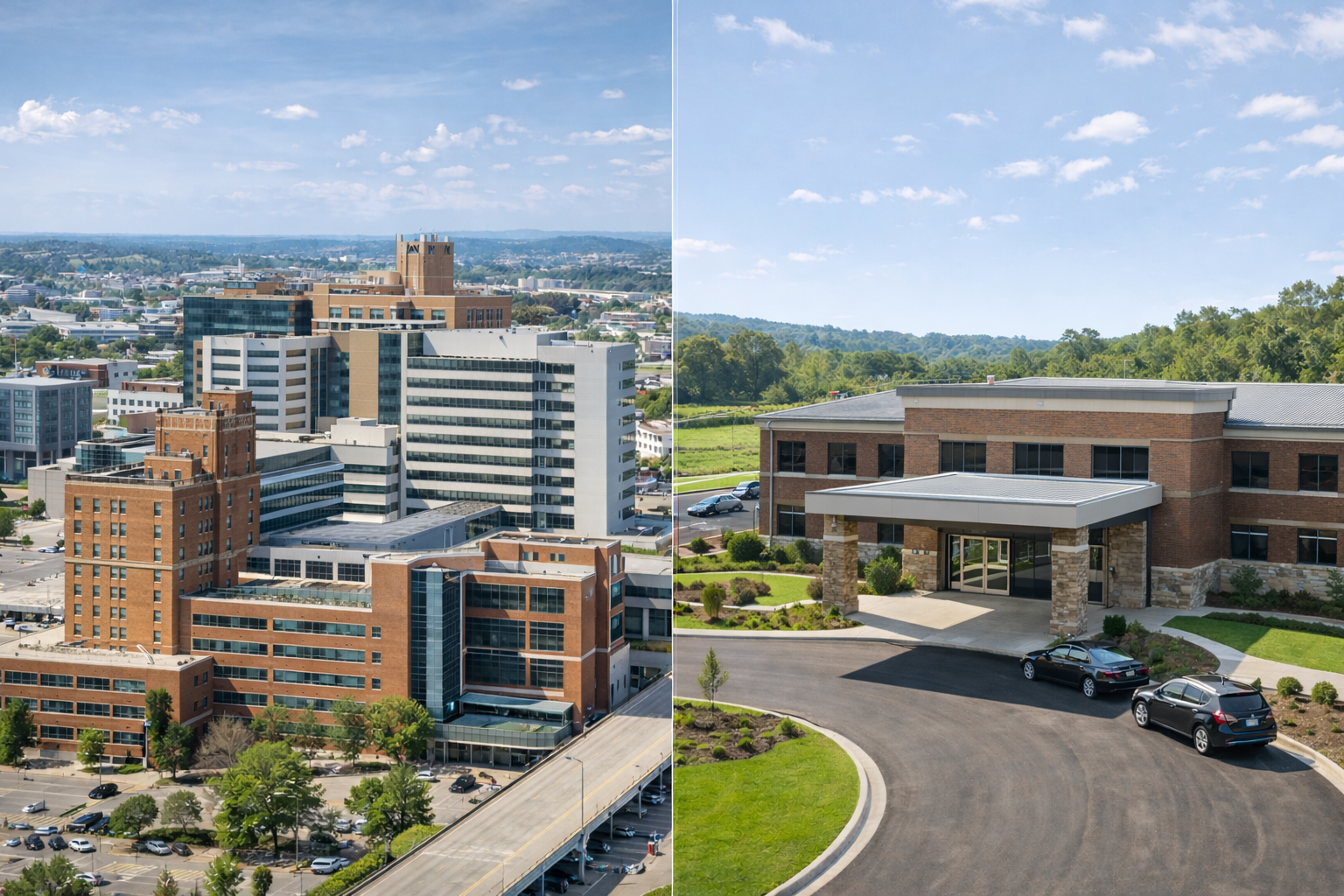
A dense, aging tertiary regional teaching hospital was carrying too much of the system’s care burden. Campus strain, competitive pressure, and an underdeveloped suburban platform made the status quo increasingly unsustainable.
The intervention
We developed a multi-campus master plan that paired phased modernization and consolidation of the legacy urban campus with targeted suburban investment, clearer service distribution, and a stronger children’s-hospital identity.
The outcome
The master plan is currently in the implementation phase. In May, 2026 ground was broken on Phase I of the master plan involving a new bed tower, expanded emergency department and introduction of electrophysiology and advanced interventional radiology services.

Planning a Future for a Safety-Net Hospital on the Brink
The problem
A safety-net hospital with only 16 hours of cash on hand needed to confront an unsustainable operating and facility model. Obsolete buildings, unsafe ICUs, constrained market geography, fractured asset control, and unrealistic assumptions about future demand made traditional campus planning inadequate.
The intervention
We developed a reality-based campus strategy that paired long-term renewal planning with near-term operational moves designed to stabilize performance, improve flow, and redirect scarce resources toward the highest-value opportunities.
The outcome
Early first-year results included annualized operating-cost reductions of $4.3 million through a dedicated Clinical Decision Unit, $1.0 million through active ED utilization management, and an 85% reduction in direct cost per low-acuity patient through a walk-in clinic adjacent to the ED.

Planning for Maximum Impact with Almost No Money
The problem
A rural hospital was serving a poor, underinsured community in a market that had lost roughly one-third of its population in a decade. With limited capital, insufficient volume to safely and profitably sustain certain higher-acuity services locally, and no room for expensive or tone-deaf decisions, the organization needed to identify the highest-value campus moves possible.
The intervention
We developed a master plan that balanced cultural sensitivity, operational reality, scarce capital, and competitive opportunity. The work focused leadership on where the hospital could create the greatest impact without overbuilding, overpromising, or misreading what the market could sustain.
The outcome
The plan directed limited capital toward targeted competitive growth, including three new ambulatory sites and a planned 20% shift in ambulatory volume from selected opportunity markets.
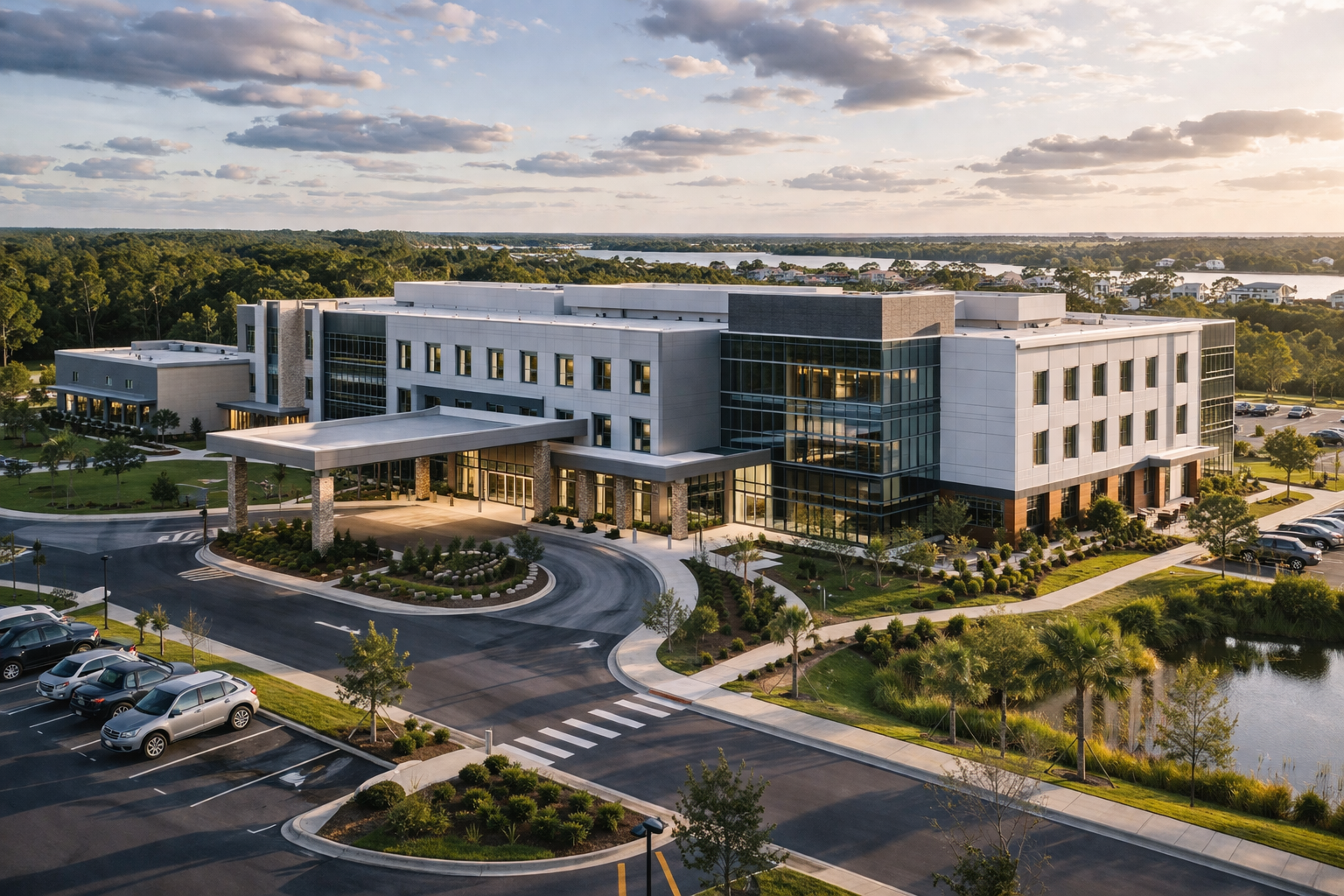
Translating Explosive Market Growth into a Future-Ready Hospital Campus
The problem
A health system facing accelerating growth in a hurricane-prone coastal market needed to plan a new hospital campus that could connect to existing ED and imaging assets, operate through severe weather events, and be compelling enough for physicians to shift practice from the flagship campus 45 minutes south.
The intervention
We developed a strategic and programmatic plan that aligned regional growth strategy with projected volumes, key rooms, consumer needs, physician adoption, facility phasing, and hurricane resilience. The work also supported the required Certificate of Need submissions for approval.
The outcome
The plan created the foundation for a future-ready hospital campus designed around growth, resilience, access, and physician adoption, with opening planned for 2027.
Big Hairy Challenges
Keeping complex problems from getting fragmented across departments, incentives, politics, and partial solutions.
Some problems persist because the organization keeps assigning them to the wrong box. They are not just strategy problems, operations problems, facilities problems, culture problems, or financial problems. They are system problems, and system problems break when they are solved in pieces.
I help healthcare leaders take on the challenges that are too cross-cutting for a standard workplan and too consequential for vague alignment. The work starts by diagnosing what is really driving the issue, clarifying what success means, naming the tradeoffs leaders have avoided, and determining who actually has the authority to decide.
The goal is not to make complexity feel simple. The goal is to make it actionable, so leaders can stop circling the problem and start moving with clarity, ownership, and discipline.
Selected engagements where messy, high-stakes problems had to be reframed, pressure-tested, and turned into decisions the organization could actually act on.
Designing Emergency Care for Extreme Volume, High Acuity, and Cultural Complexity

The problem
A multi-story ED needed to handle one patient per minute across multiple entry points, without unsafe flow or breakdowns.
The intervention
We used large-scale data and discrete event simulation to model flows and force alignment across clinical priorities.
The outcome
Travel distances dropped up to 80%, vertical movement nearly halved, and throughput materially improved.

Untangling an Academic Health System’s Acute Care Gridlock
The problem
A multi-campus academic health system was facing extreme occupancy, uneven campus roles, and the limits of optimization alone. The acute care footprint could no longer be solved through throughput improvements only; the system needed to rethink how capacity, campus roles, modernization, replacement, and future growth fit together.
The intervention
We developed a phased enterprise acute care strategy that tested options for redistribution, expansion, modernization, and replacement across the system, including a zero new-build strategy that leveraged existing assets before committing capital to new construction.
The outcome
The strategy repositioned the flagship hospital, clarified the role of selected community campuses, advanced key modernization and replacement decisions, and established a more durable acute care footprint for future growth and disruption response.
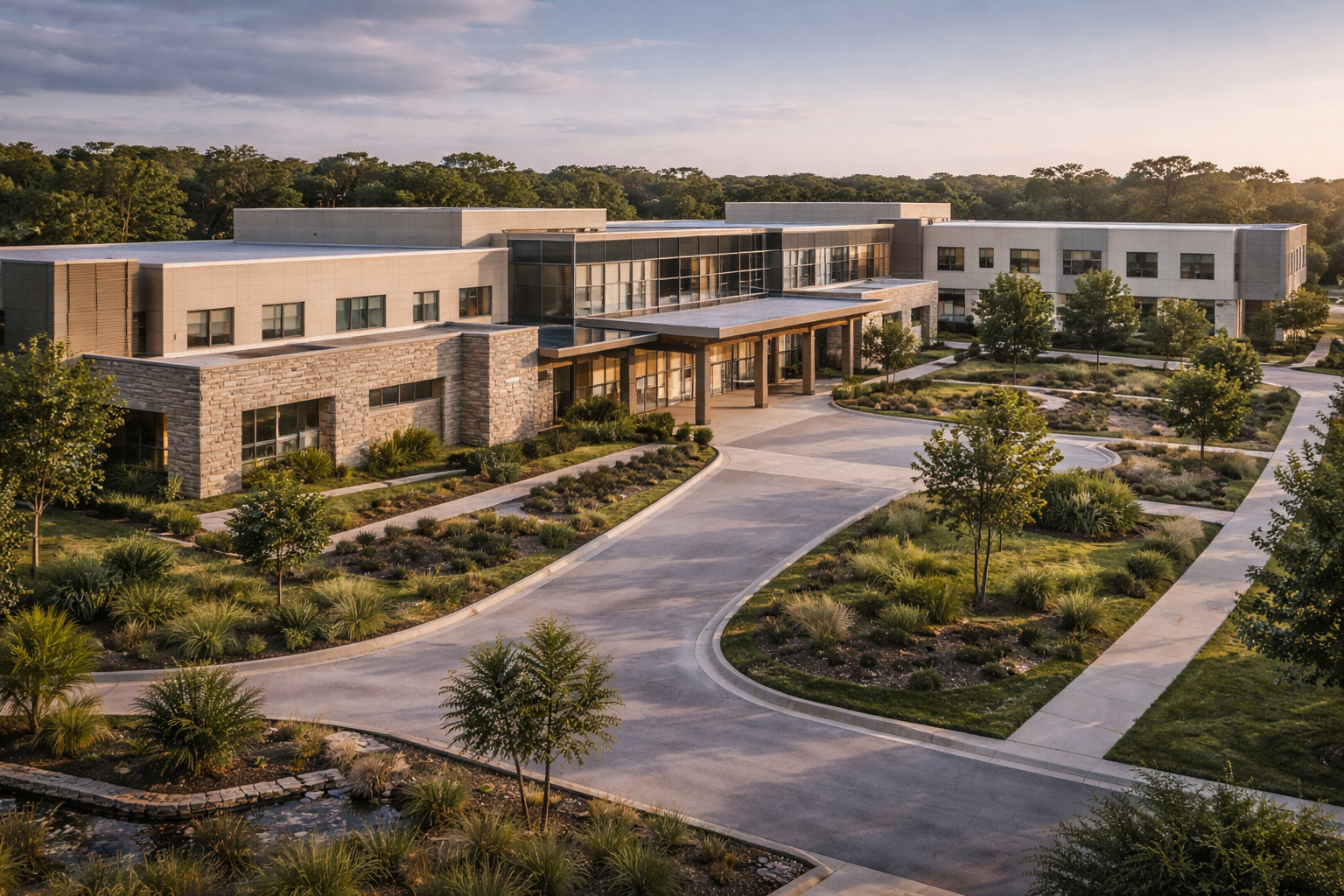
Redesigning a Statewide Behavioral Health System Under Pressure
The problem
A statewide psychiatric hospital system was under growing strain as forensic demand crowded out civil capacity, infrastructure aged, workforce shortages deepened, and community-based care remained underbuilt across much of the state. The challenge was not simply whether Texas needed more beds; it was what role the state hospital system should play within a broader behavioral health continuum.
The intervention
We developed a statewide behavioral health plan that reframed the issue as a system-design challenge, not just a capacity shortage. The work redefined the relationship between state hospitals, forensic demand, civil access, community-based capacity, rural needs, workforce constraints, and long-term capital investment.
The outcome
The plan created a clearer path for statewide behavioral health redesign and was later reflected in substantial legislative investment, including major funding for new and replacement psychiatric hospital projects across Texas. Since completion, the state has advanced a significant expansion of its psychiatric hospital system, including seven new hospital projects announced or initiated as of 2024 following a $1.5 billion investment approved in 2023.
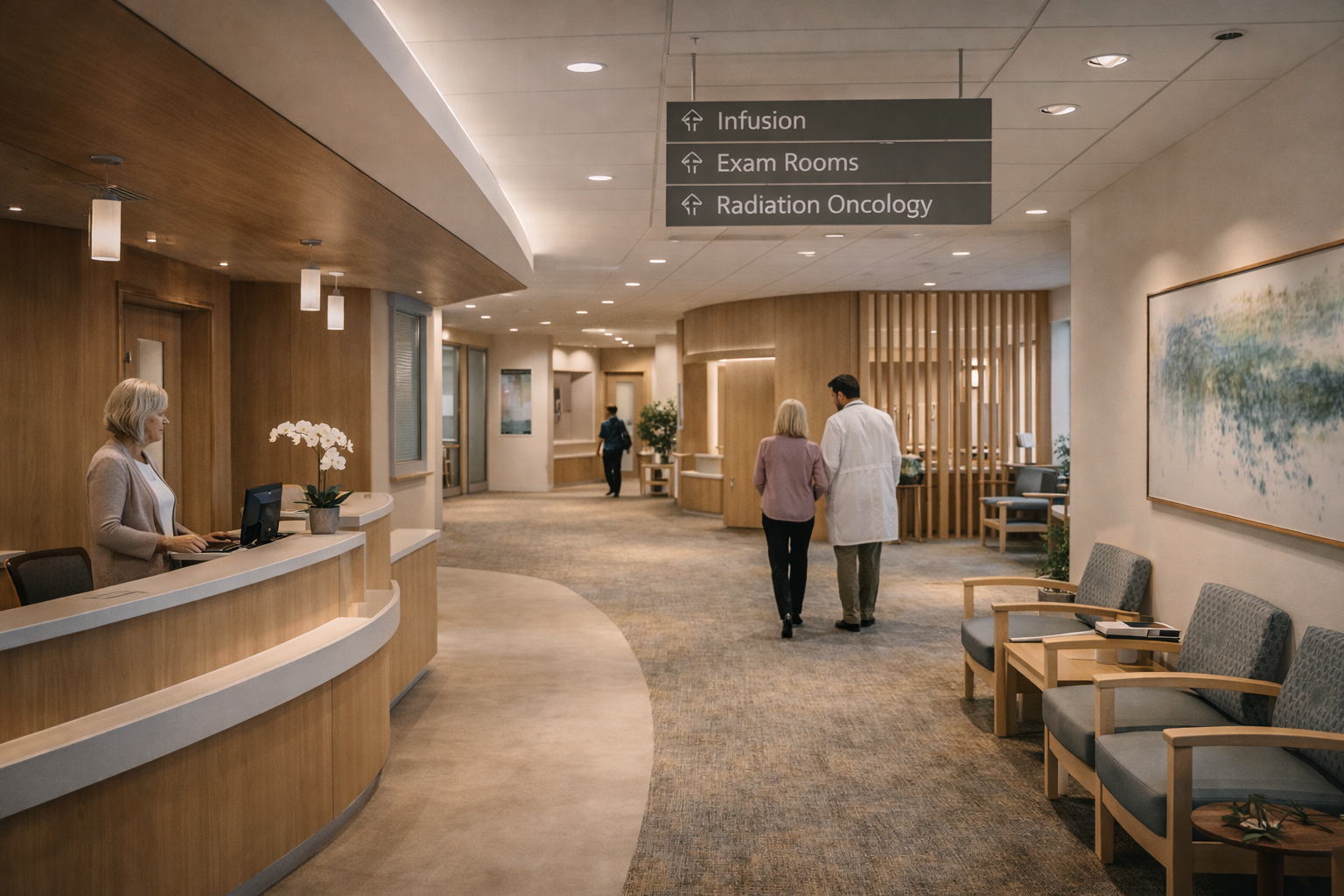
Aligning Three Cancer Ambitions into One Coherent Model
The problem
What began as a cancer planning effort became a more complex alignment challenge. A regional health system needed to define a cancer model that could satisfy the expectations of a local provider, a regional partner, and a top-ranked oncology program — without losing a distinct identity of its own or exceeding tight financial guardrails.
The intervention
We developed a cancer-center strategy that turned competing visions into one coherent and implementable model. The work aligned brand, care journey, operations, space, and patient navigation within a constrained existing footprint, including zero new-build scenarios that tested how much could be achieved without major new construction.
The outcome
The strategy created a clearer path for how patients should enter, navigate, and experience cancer care, while giving leadership an implementable model that balanced partner expectations, operational reality, identity, and capital discipline.