Access + Experience Design
Designing access and experience around what patients need, what the workforce can sustain, and what care delivery actually requires.
Access and experience are not separate from operations. They are shaped by how care is reached, navigated, coordinated, and delivered across physical, digital, and human touchpoints. I help organizations redesign care environments, service models, and patient-consumer and workforce-consumer journeys to reduce friction, improve flow, support dignity, and create experiences that are more coherent, sustainable, and capable of performing in the real world.
Selected examples of work focused on access, flow, dignity, safety, and the lived experience of care.
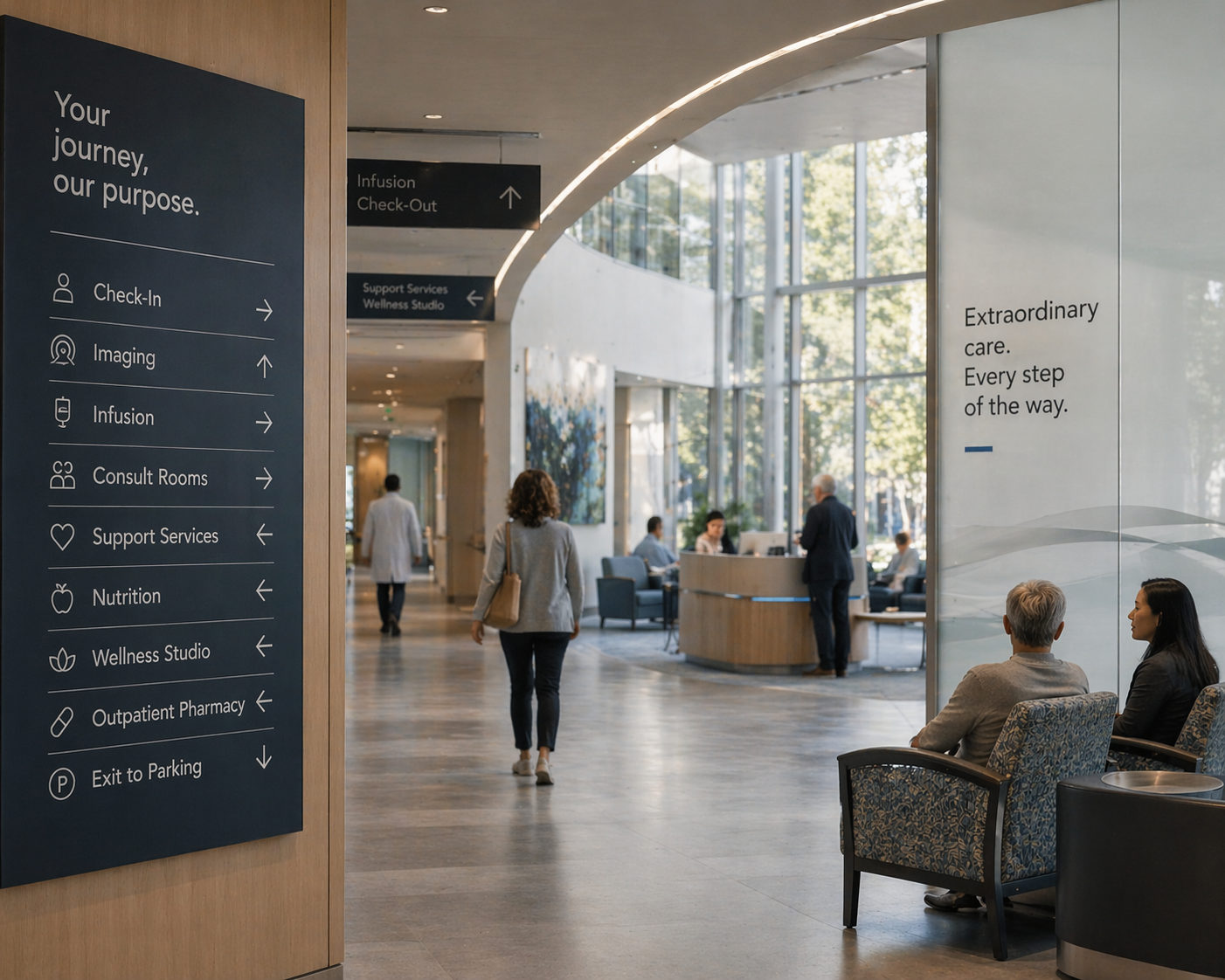
Reducing Friction Across the Cancer Care Journey
NCI-designated Comprehensive Cancer Center, Western U.S.
Challenge:
Behind a strong reputation for compassionate cancer care, the ambulatory model was fragmented and operationally strained, with patients traversing two to five or more locations on campus, frequent appointment cancellations, and too much time spent waiting rather than receiving care.
Result:
Developed an enterprise ambulatory redesign that reorganized clinic flow, centralized key services, and improved performance, reducing overall LOS from 161 to 126 minutes, increasing daily throughput from 654 to 839 visits, and improving on-time starts from 44% to 85%.
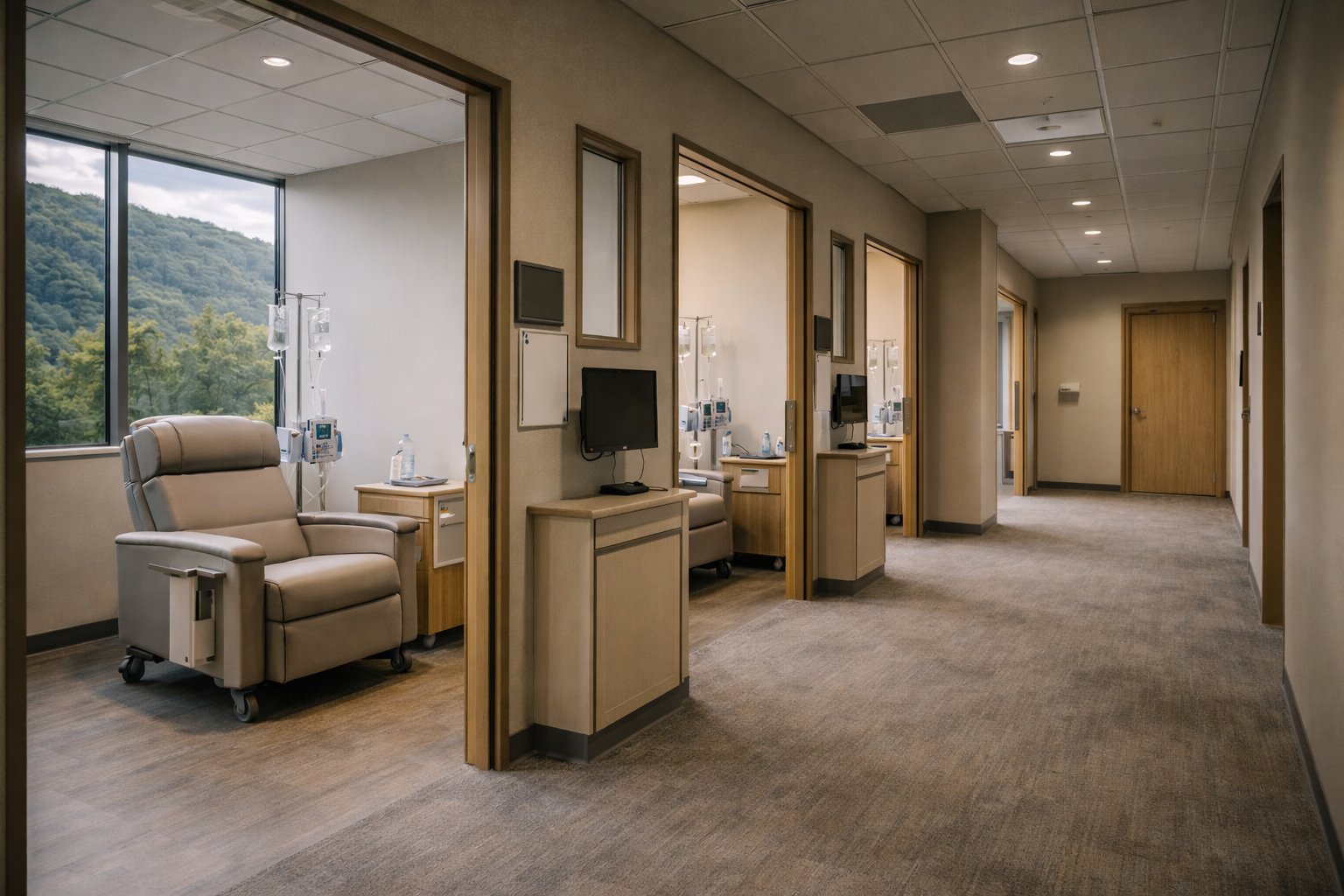
Bringing Advanced Cancer Care to Rural Appalachia
Critical Access Hospital, Appalachia U.S.
The problem
Patients traveled up to 90 minutes for infusion care. The hospital lacked the space and capital to expand, and every option required tradeoffs.
The intervention
We re-sequenced the campus, aligning clinical, staffing, and capital decisions into a single plan.
The outcome
Access improved while generating $500K–$700K in annual labor savings.

Untangling Emergency and Behavioral Health Flow in a Level I Trauma Center
Safety Net Hospital + Level I Trauma Center, Mid-Atlantic U.S.
Challenge:
Emergency care at a Level I trauma center was increasingly constrained by crowding, inefficient patient movement, and prolonged behavioral health stays, making arrival sequences, behavioral health flow, trauma adjacency, and overall ED design impossible to treat as separate problems.
Result:
Produced a future-state emergency care strategy that balanced Level I trauma demands with the realities of high-volume safety-net ED, creating a more integrated model for high-acuity care, behavioral health flow, and overall department performance.
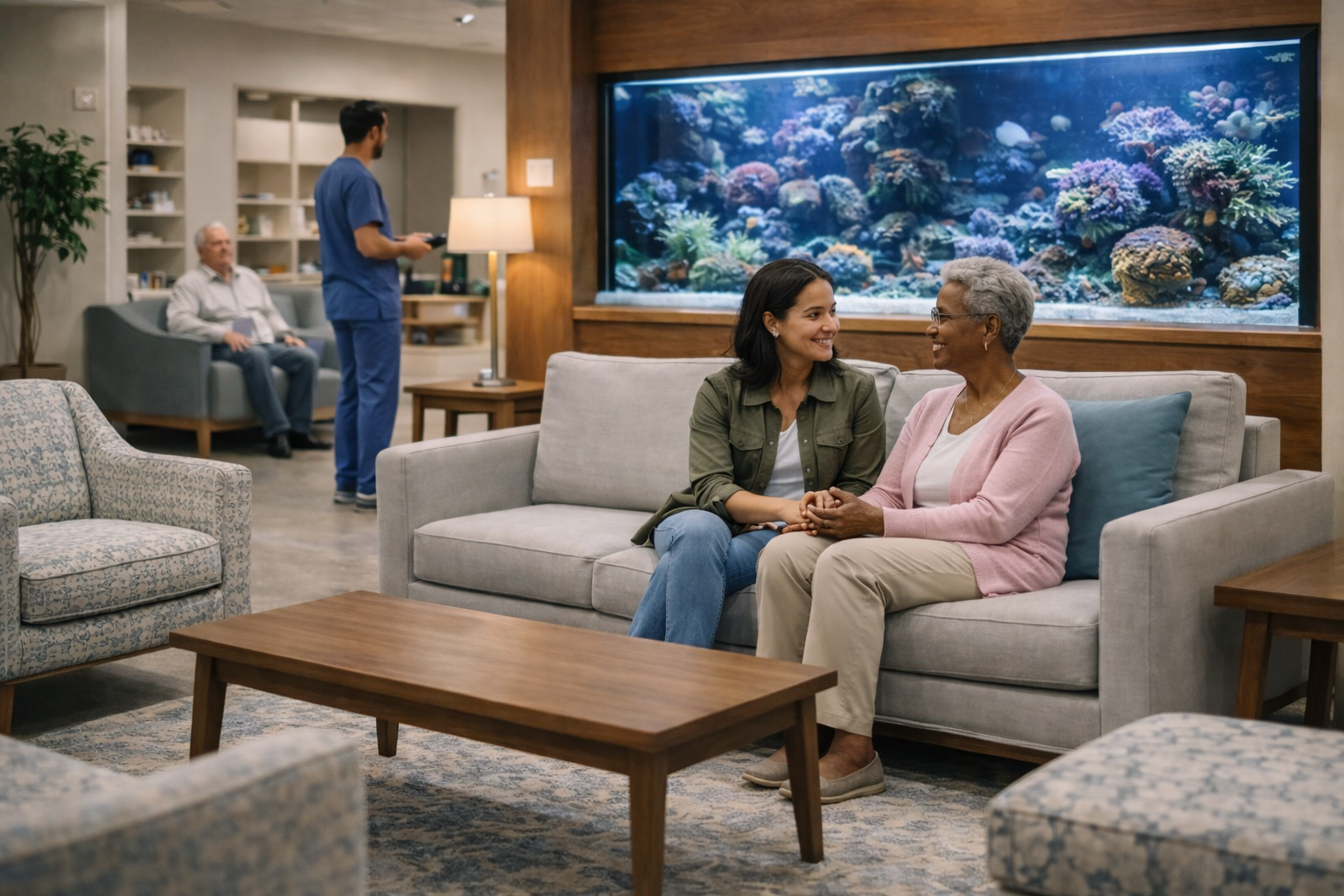
Redesigning Emergency Care Where Behavioral Health Exposed Everything That Was Broken
Community Hospital + Level II Trauma Center, Midwest U.S.
Challenge:
What started as a building project quickly became a larger emergency care challenge as an obsolete ED environment—crowded, noisy, hard to lock down, and poorly suited to behavioral health—could no longer support the experience, safety, and flow the organization needed and the community deserved.
Result:
Produced a reimagined ED strategy that turned behavioral health from the clearest sign of what was broken into a proving ground for a safer, more humane, and more effective emergency care model.

Building a Destination Center for Women, Babies, and Intensive Newborn Care
Academic Medical Center + Level III-B Neonatal Intensive Care Unit, Mid-Atlantic U.S.
Challenge:
A health system seeking to build a destination center for women and babies needed to integrate intensive newborn care, family experience, provider workflow, education, research, and campus arrival into one clinically and operationally coherent model.
Result:
Created a destination center for women, babies, and intensive newborn care that turned an ambitious vision into an implemented model integrating family experience, staff workflow, clinical performance, education, research, and access. The new facility opened for business in 2020.