Campus + Enterprise Master Planning
Shaping buildings, campuses, and systems as instruments of strategy and long-term sustainability.
Buildings matter, but they are downstream of the truths that actually shape the future. I help healthcare organizations translate strategy, demand, care models, operational realities, market pressures, and investment priorities into campus and facility decisions that are practical, phased, and built to support long-term performance. The goal is not just a better building. It is a more coherent physical platform for delivering care, supporting the workforce, and sustaining the enterprise over time.
Selected examples of campus and facility planning work shaped by strategy, operations, and the realities of long-term change.
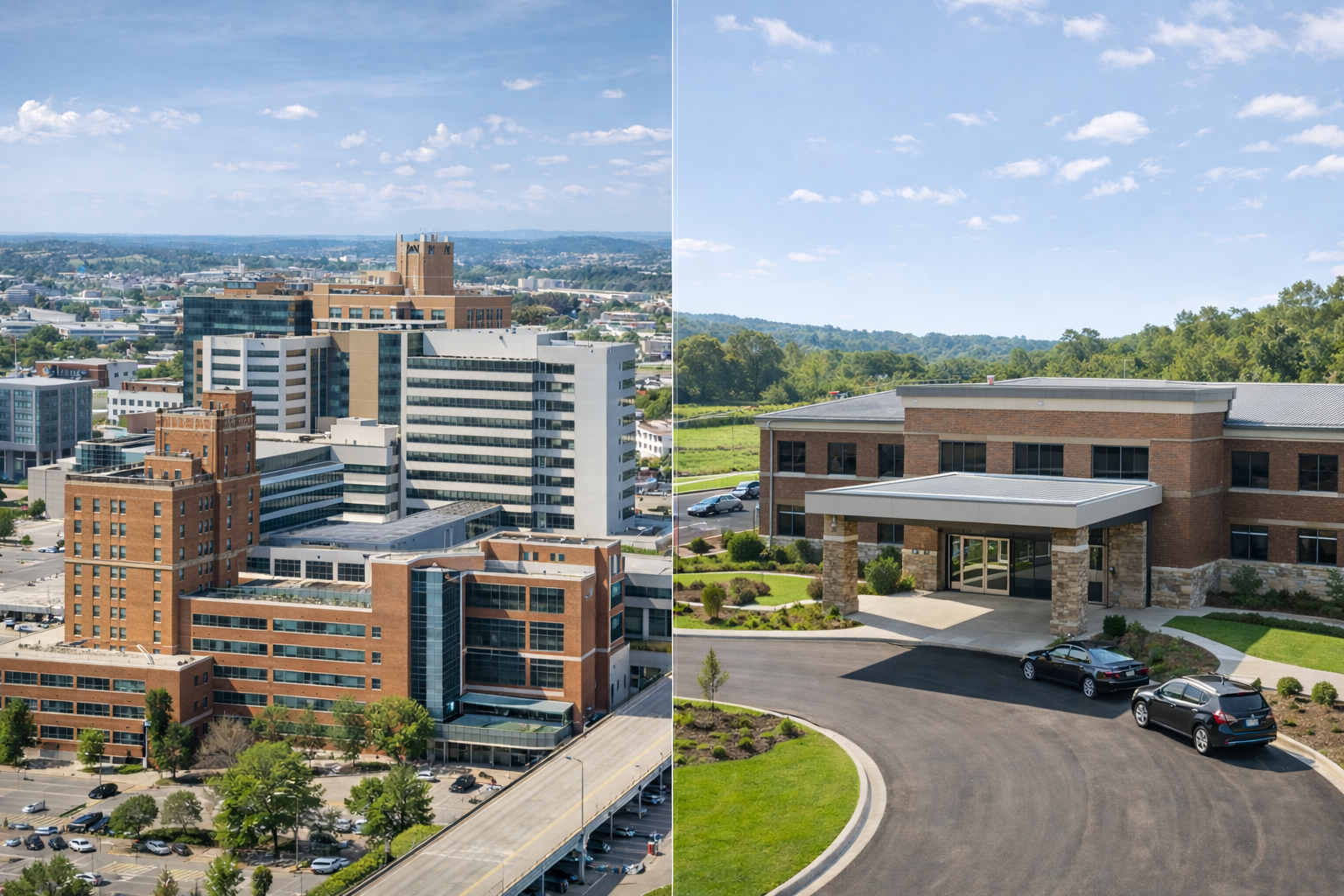
Regionalizing Care to Relieve Pressure on a Legacy Regional Teaching Hospital
Regional Teaching Health System, Southeastern U.S.
Challenge:
A health system anchored by a dense, aging tertiary regional teaching hospital needed to rethink how care should be distributed as campus strain, competitive pressure, and an underdeveloped suburban platform made the status quo increasingly unsustainable.
Result:
Developed a multi-campus master plan that paired phased modernization and consolidation of the legacy urban campus with targeted suburban investment, a stronger children’s-hospital identity, and a greenfield growth strategy positioned to seize a time-sensitive market opportunity.
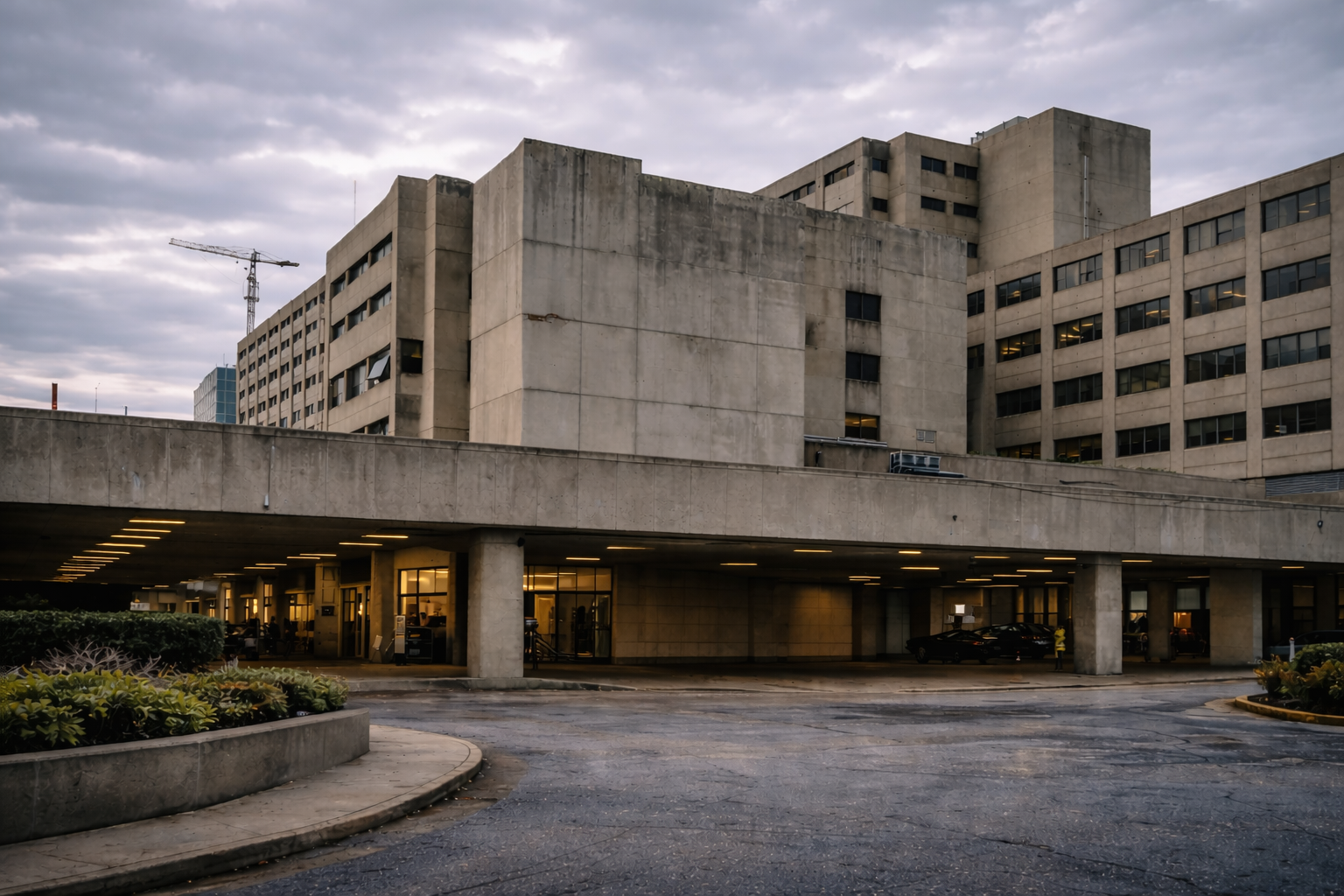
Planning a Future for a Safety-Net Hospital on the Brink
Safety Net Hospital, Midwest U.S.
Challenge:
With only 16 hours of cash on hand, a safety-net hospital needed to confront the limits of an unsustainable model shaped by obsolete facilities, unsafe ICUs, constrained market geography, fractured asset control, and unrealistic assumptions about what the future could support.
Result:
Produced a reality-based campus strategy that paired long-term renewal planning with near-term operational moves, generating early first-year results equivalent to $4.3 million in annual operating-cost reduction through a dedicated Clinical Decision Unit, $1.0 million in annual savings through active ED utilization management, and an 85% reduction in direct cost per low-acuity patient through a walk-in clinic adjacent to the ED.
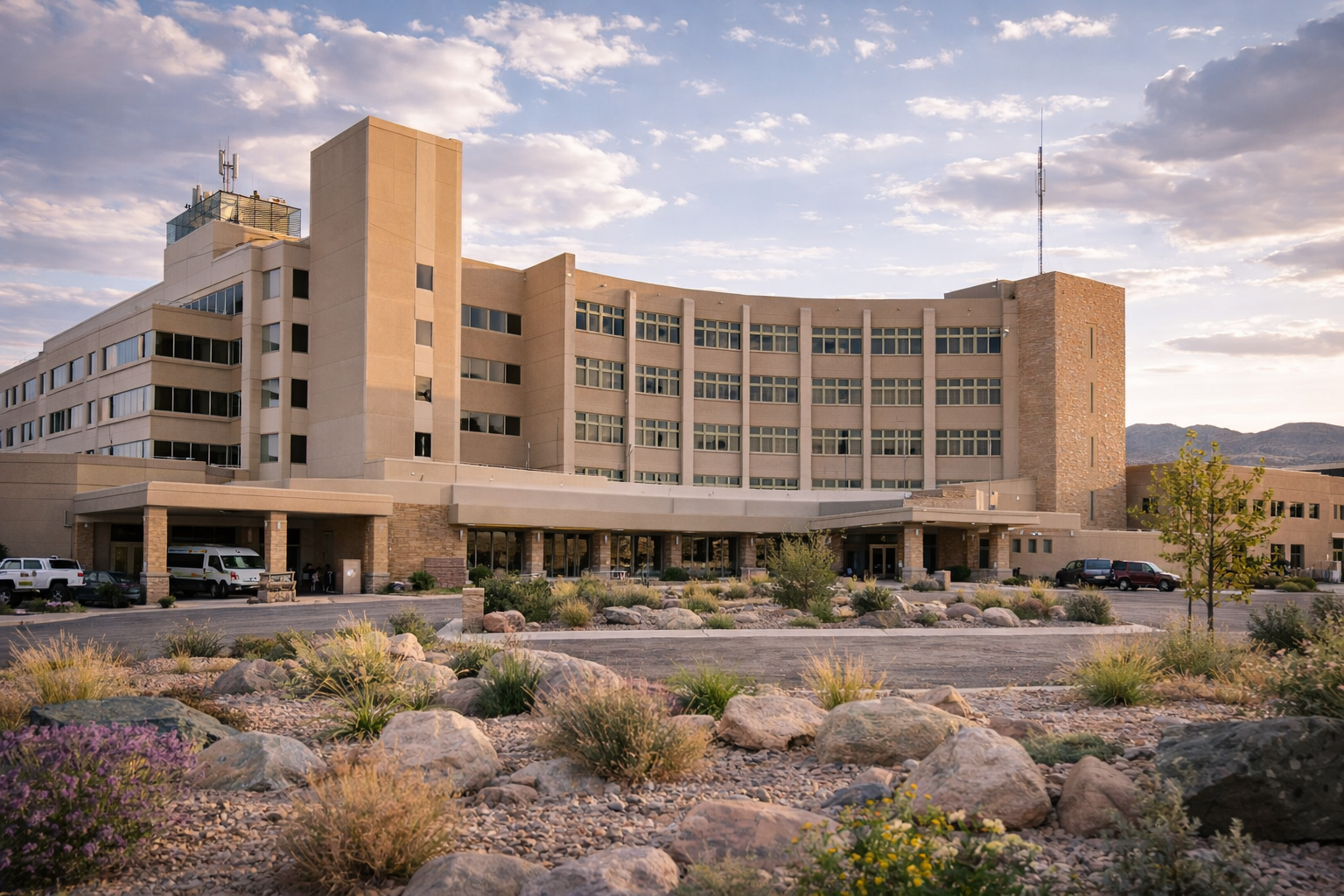
Planning for Maximum Impact with Almost No Money
Rural Health System, Southwestern U.S.
Challenge:
With the local market having lost roughly a third of its population in a decade, a rural hospital needed to identify the highest-value campus moves possible with almost no money while serving a poor, underinsured population, lacking the volume to safely and profitably sustain certain higher-acuity services locally, and operating with no room for expensive or tone-deaf decisions.
Result:
Produced a master plan that balanced cultural sensitivity and operational reality while directing scarce capital toward aggressive competitive growth, including three new ambulatory sites and a targeted 20% shift in ambulatory volume from selected opportunity markets.
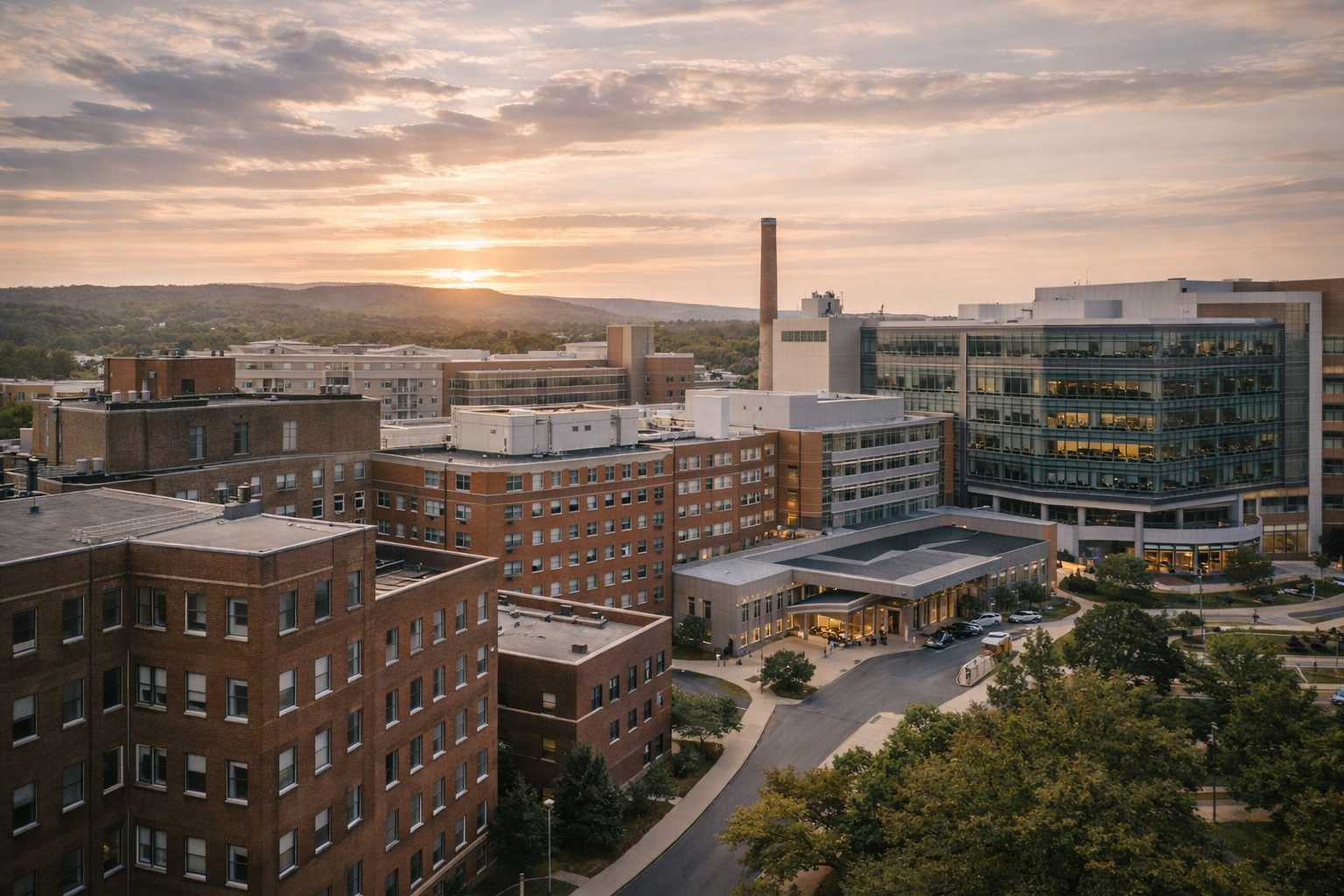
Pressure-Testing a Legacy Academic Campus Against a Harder Future
Academic Medical Center, Mid-Atlantic U.S.
Challenge:
An academic medical center long insulated from serious competition needed to confront a more contested future as market threats mounted, campus sprawl constrained options, and obsolete facilities made conventional modernization increasingly unrealistic.
Result:
Developed a strategic and physical growth plan that translated competitive threat into a more assertive regional platform, adding three acute care sites through greenfield construction or acquisition, more than 20 ambulatory sites, a vertical pediatric hospital expansion with a mother-baby center of excellence, and expanded emergency capacity.
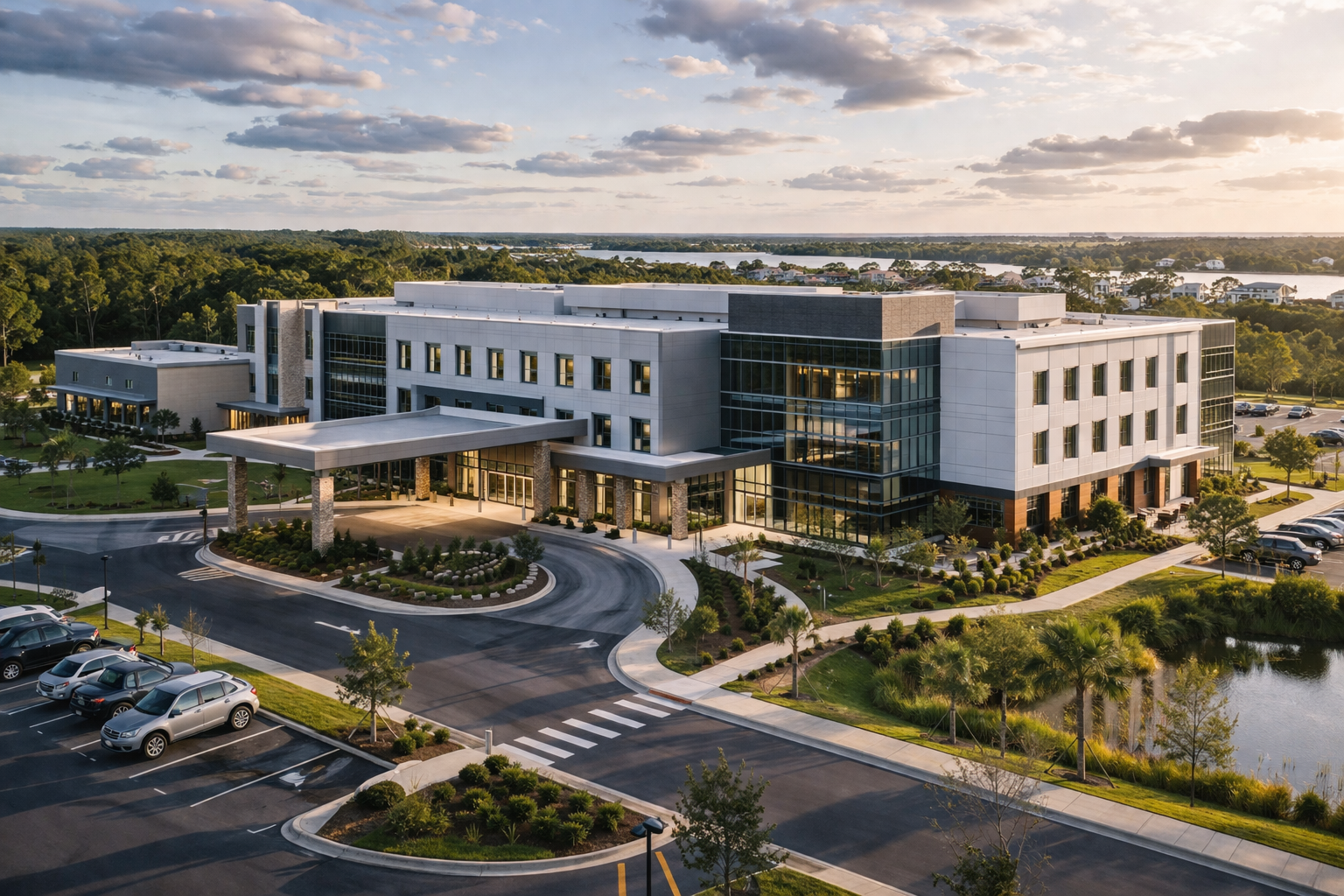
Translating Explosive Market Growth into a Future-Ready Hospital Campus
Regional Health System, Southeastern U.S.
Challenge:
A health system facing accelerating growth in a hurricane-prone coastal market needed to program a new hospital campus that could connect to existing ED and imaging assets, operate through severe weather events, and prove compelling enough for physicians to leave the flagship campus and practice 45 minutes north.
Result:
Produced a strategic and programmatic plan for a new hospital campus that aligned regional growth strategy with projected volumes, key rooms, consumer needs, physician adoption, and hurricane resilience, while supporting all required CON submissions for approval. Hospital will open in 2027.